 | Paganism | 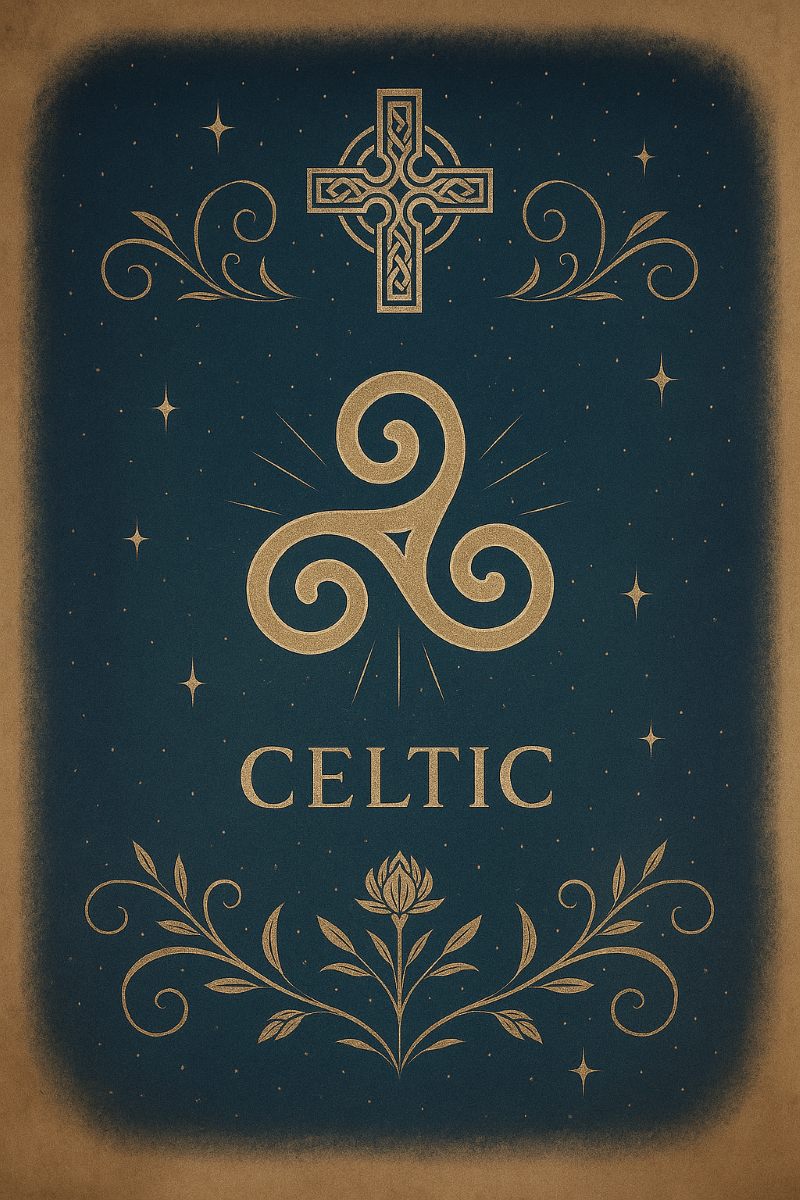 |

📜The History of Paganism📜
Origins, Development, and the Meaning of the Old Religions
The word “Paganism” is a modern term used to describe the pre-Christian, polytheistic, and nature-based religions practiced across Europe, the Mediterranean, and other regions of the ancient world. It does not refer to a single religion, but rather a broad category of diverse spiritual systems that existed long before Christianity became dominant.
🏺1. What “Paganism” Originally Meant🏺
The term paganus is Latin and originally meant:
- “country dweller”
- “villager”
- “someone from the countryside”
When Christianity began spreading in cities and imperial centers of Rome (3rd–4th century CE), rural people continued practicing their old religions.
Christian writers used paganus to describe:
- anyone who was not Christian
- followers of the old polytheistic religions
- people who honored many gods or nature spirits
So originally, “Paganism” was a label placed ON people, not a religion they called themselves.
🌍2. The Old Religions (Before Christianity)🌍
Before Christianity, spiritual life in Europe and surrounding regions was incredibly diverse. Pagan religions were:
- polytheistic (belief in many gods)
- animistic (belief that nature is alive with spirit)
- ritual-centered
- oral, not written
- local and tribal
- deeply tied to land, seasons, and community
Examples include:
Celtic Paganism
- Britain, Ireland, Scotland, Wales
- Druids, nature worship, sacred groves, seasonal festivals
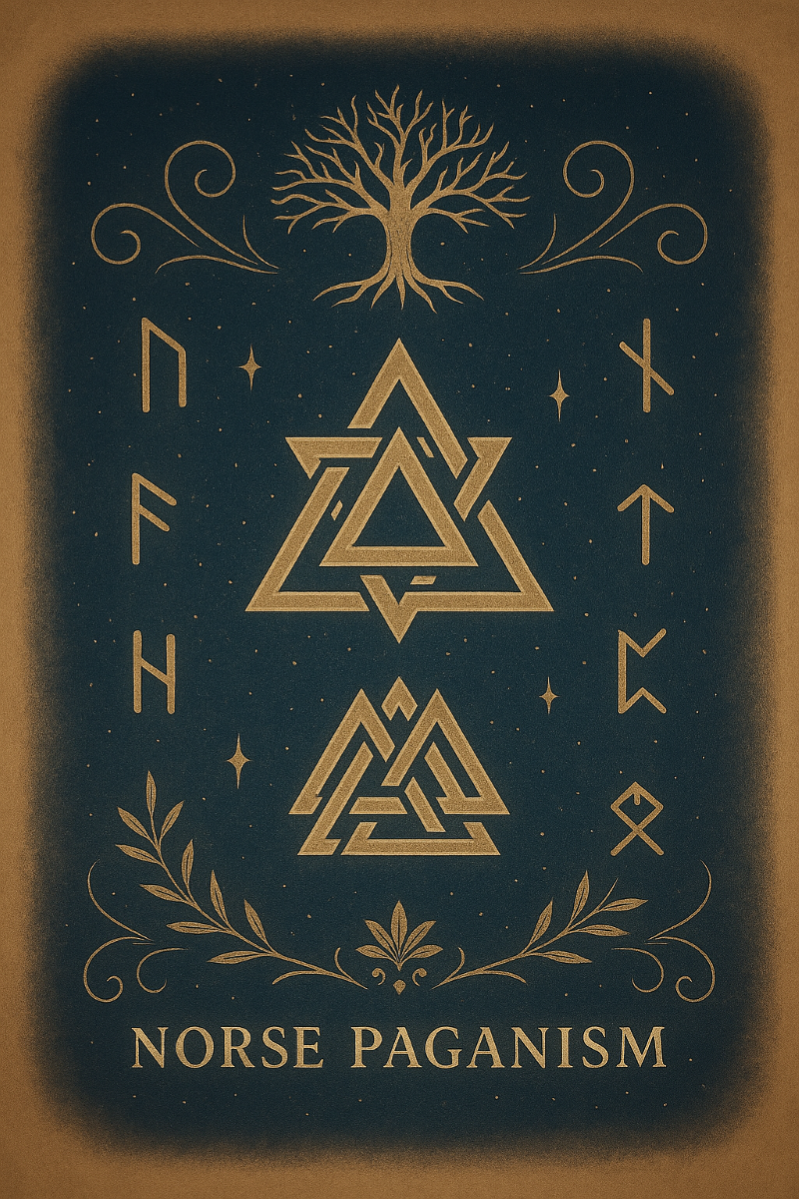
Norse/Germanic Paganism
- Scandinavia, Germany, Iceland
- Odin, Thor, Freyja, runes, ancestor rites
Greco-Roman Religion
- Olympus gods, temples, mythology, mystery traditions
Slavic Paganism
- Eastern Europe
- Perun, Mokosh, household spirits
Egyptian, Babylonian, Sumerian, and Persian Religions
- Very early systems with thousands of years of history
All of these religions had their own gods, stories, rituals, and ways of understanding the world.
🕊️3. Common Features of Ancient Pagan Religions🕊️
Though each culture was different, most Pagan religions shared:
- honoring many gods and goddesses
- rituals tied to agriculture and the seasons
- ancestor reverence
- connection to local spirits or deities
- sacred stories explaining natural forces
- priests, oracles, shamans, or druids
- sacred sites such as groves, springs, mountains, temples
They were community-centered, not belief-centered.
You didn’t “convert”; you were born into a cultural tradition.
🔥4. How Paganism Declined (The Rise of Christianity)🔥
From the 1st century CE onward, Christianity spread across the Roman Empire and later through Europe.
Key events:
4th Century CE
- Emperor Constantine legalizes Christianity
- Pagan temples begin losing state support
Late 4th Century CE
- Theodosius I bans Pagan worship and closes temples
- Pagan festivals are replaced or repurposed
5th–12th Centuries CE
- Christianization spreads through Europe
- Pagan religions slowly fade, merge, or go underground
- Folk practices survive in rural areas for centuries
By the Middle Ages, most institutional Pagan religions had disappeared; but many traditions survived in:
- seasonal festivals
- folklore
- herbalism
- folk magic
- storytelling
- cultural customs
This is why things like Yule, May Day, and Midsummer still exist in modern culture.
🌒5. Pagan Survival Through Folklore & Custom🌒
Even after official religions ended, Pagan ideas lived on in:
- legends and fairy tales
- celebrations of solstices and equinoxes
- harvest rituals
- ancestral customs
- household charms
- traditional healers and wise folk
Christian authorities often tolerated folk customs as long as they didn’t challenge doctrine.
These surviving traditions would later inspire the modern Pagan revival.
🌿6. Modern Paganism (Neopaganism)🌿
Modern Paganism emerged in the late 19th and 20th centuries during a renewed interest in:
- folklore
- mythology
- anthropology
- romanticism and nature spirituality
- occult and esoteric studies
Major influences include:
- Druid Revival (1700s–1800s)
- Romantic poets and writers
- Folkloric collectors (like the Grimm brothers)
- Archaeological discoveries
- Occult orders (Golden Dawn, Theosophy)
And most famously:
Wicca (1950s)
- Founded by Gerald Gardner
- Combined elements of ceremonial magic, folklore, witchcraft, and goddess worship
- Spread rapidly in the 1960s–present
This “modern Paganism” is not the same as ancient Paganism; it is a reconstructed and reimagined spiritual system inspired by older practices.
Today, Paganism includes:
- Wicca
- Druidry
- Heathenry/Norse Paganism
- Reconstructionist traditions
- Eclectic Paganism
- Goddess spirituality
- Nature-based witchcraft
🌎7. What Paganism Is Today🌎
Modern Paganism is:
- Earth-centered
- Spiritually flexible
- Symbolic and mythic
- Often polytheistic or animistic
- Focused on ritual and personal experience
- Inclusive of many cultural influences
It is not a religion with one leader, book, or doctrine; it is a family of spiritual paths that honor nature, cycles, meaning, and magic.
✨Summary: What Visitors Should Understand✨
Paganism began as the ancient, nature-based religions of Europe and surrounding regions.
It declined with the rise of Christianity.
It re-emerged in the 20th century as a modern spiritual revival inspired by history, folklore, and personal practice.
It is:
- diverse
- ancient and modern
- symbolic
- earth-honoring
- deeply personal
- culturally varied
And it is one of the fastest-growing spiritual categories in the world today.