 | Atheism, Agnosticism, Secular Humanism | |

A Path of Reason, Reflection, Ethics, Curiosity, and Meaning Without Dogma
Agnostic, atheist, and secular humanist paths focus on understanding life through reason, ethics, exploration, and personal meaning-making rather than through religious belief or faith. These paths value critical thinking, compassion, self-awareness, and building a meaningful life based on experience, humanity, and purpose.
This path is ideal for those who are spiritual-but-not-religious, questioning, non-theistic, or seeking emotional clarity and purpose without supernatural beliefs.
🌐1. What This Path Is🌐
Agnosticism, atheism, and humanism are not religions — they are approaches to life, meaning, and the unknown.
This category includes:
- Atheism — “I do not believe in a god or gods.”
- Agnosticism — “The existence of the divine is unknown or unknowable.”
- Secular Humanism — focus on ethics, human dignity, and rational thought
- Skepticism & critical inquiry
- Existential and philosophical spirituality
Shared themes across these paths:
- Seeking truth through reason and experience
- Prioritizing ethics and compassion
- Finding meaning in relationships, creativity, and contribution
- Emotional growth without reliance on dogma
- Personal responsibility and critical reflection
- Honoring human dignity and shared humanity
This path works beautifully for those who value spirituality as metaphor, psychology, or personal philosophy rather than literal belief.
📖2. Core Beliefs📖
Beliefs differ widely, but common principles include:
- Truth should be explored, not assumed
- Human life has inherent value
- Meaning is created through experience, connection, and action
- Ethics matter — compassion and reason shape a better world
- Science and critical thinking are tools for understanding reality
- Uncertainty is natural and acceptable
- You can be spiritual without believing in the supernatural
Agnostics acknowledge the mystery of existence; atheists reject supernatural explanations; humanists emphasize humanity, ethics, and purpose.
📜3. Sacred Texts & Sources📜
These paths traditionally do not have holy books, but they draw wisdom from:
- Philosophy
- Science
- Psychology
- Literature
- Personal reflection
- Ethical teachings
- Human experience
- Creative expression
- Secular mindfulness traditions
Common sources include:
- Stoic writings
- Modern psychology
- Ethical philosophy
- Scientific understanding of the universe
- Existential literature
Your inner world becomes your “text.”
🧙♀️4. Deities, Guides & Archetypes🧙♀️
Instead of prophets or deities, these paths look to:
- Philosophers – Socrates, Seneca, Marcus Aurelius
- Writers – Carl Sagan, Kurt Vonnegut
- Scientists – Einstein, Hawking
- Psychologists – Carl Jung, Viktor Frankl
- Humanist leaders
- Artists and thinkers who seek truth through creativity
Symbolic archetypes include:
- The Thinker
- The Seeker
- The Creator
- The Questioner
- The Observer
- The Humanist
These represent humanity’s search for meaning without the supernatural.
🌟5. Symbols & Their Meanings🌟
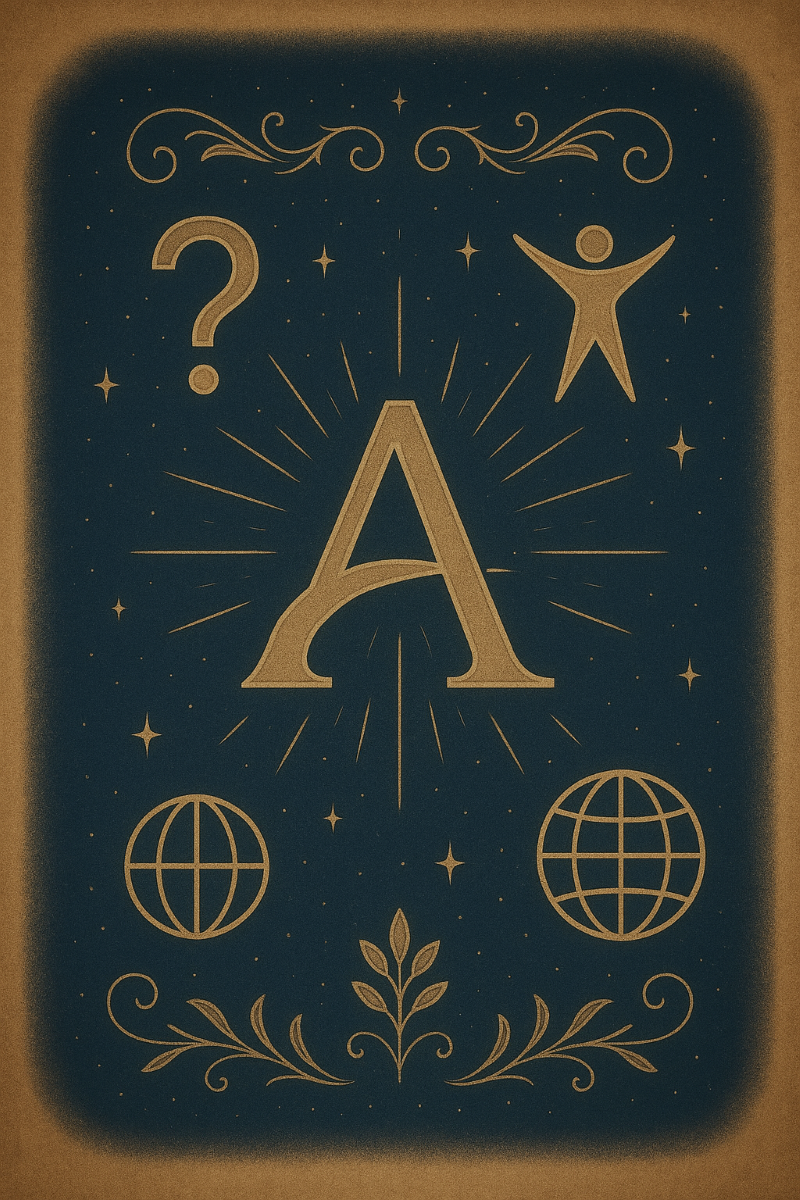
Common secular or symbolic icons include:
- The Atom – scientific understanding
- The Humanist “Happy Human” symbol – dignity & compassion
- The Spiral – growth and inquiry
- The Question Mark – curiosity and open-mindedness
- The Labyrinth – psychological/spiritual journey
- Earth – connection, shared humanity
These symbols are metaphorical rather than mystical.
🔥6. Rituals & Practices🔥
Though not religious, many agnostic or secular individuals practice:
- Mindfulness or meditation
- Journaling
- Grounding and emotional awareness
- Ethical reflection
- Daily gratitude
- Creative expression
- Nature walks and connection
- Reading for personal growth
- Community involvement
Psychology, philosophy, and emotional wellness tools often replace traditional ritual.
🌿7. Bringing This Path Into Daily Life🌿
You can integrate this approach into daily living by:
- Practicing mindfulness
- Observing your thoughts and beliefs
- Making decisions based on values
- Engaging in ethical action
- Reflecting on what gives your life meaning
- Cultivating curiosity
- Caring for your emotional well-being
- Creating your own rituals of intention and grounding
- Finding awe in nature, art, and creativity
- Using reason, compassion, and honesty as spiritual tools
Meaning is found in simply being human.
🌀8. Blending With Other Paths🌀
This path blends easily with:
- Buddhism (mindfulness without deities)
- New Age symbolism (as metaphor)
- Pagan or seasonal practices (nature connection)
- Yoga without religious framework
- Psychology and therapy
- Stoicism
- Existential philosophy
Many people walk a hybrid path that combines secular meaning-making with intuitive or emotional practices.
🧭9. Begin Your Pagan Path🧭
Here are gentle starting points:
🌅For Beginners:🌅
- Begin a reflective journal
- Practice mindful breathing
- Explore your core values
- Read a philosophical quote each morning
- Take a nature walk and observe your thoughts
- Try a secular mindfulness meditation
- Define what “meaning” looks like to you
📖Beginner Resources:📖
- Man’s Search for Meaning – Viktor Frankl
- Cosmos – Carl Sagan
- Meditations – Marcus Aurelius
- The Book of Joy – Dalai Lama & Desmond Tutu (interfaith & secular-friendly)
- The Happiness Hypothesis – Jonathan Haidt
🔍Explore Subtopics (coming soon):🔍
- Ethical philosophy
- Stoicism
- Secular mindfulness
- Psychological symbolism
- Purpose & meaning-making
- Values-based living
- Humanist rituals
- Existentialism
🌿When You’re Ready…🌿
Return to the paths page
or continue to the next spiritual system:
👉 Next: Your Custom Path →